
From June 2027, renewing a work permit in Croatia will need a basic Croatian exam – who must take it, who is exempt, and who pays
Under the amended Aliens Act, third-country workers who have lived in Croatia at least a year on an employer-based work permit must pass an A1.1 exam in Croatian and the Latin script to renew. The employer pays for the exam; seasonal workers are exempt. The rule starts on 4 June 2027.
Published 2026-10-19 · Source checked 2026-10-19
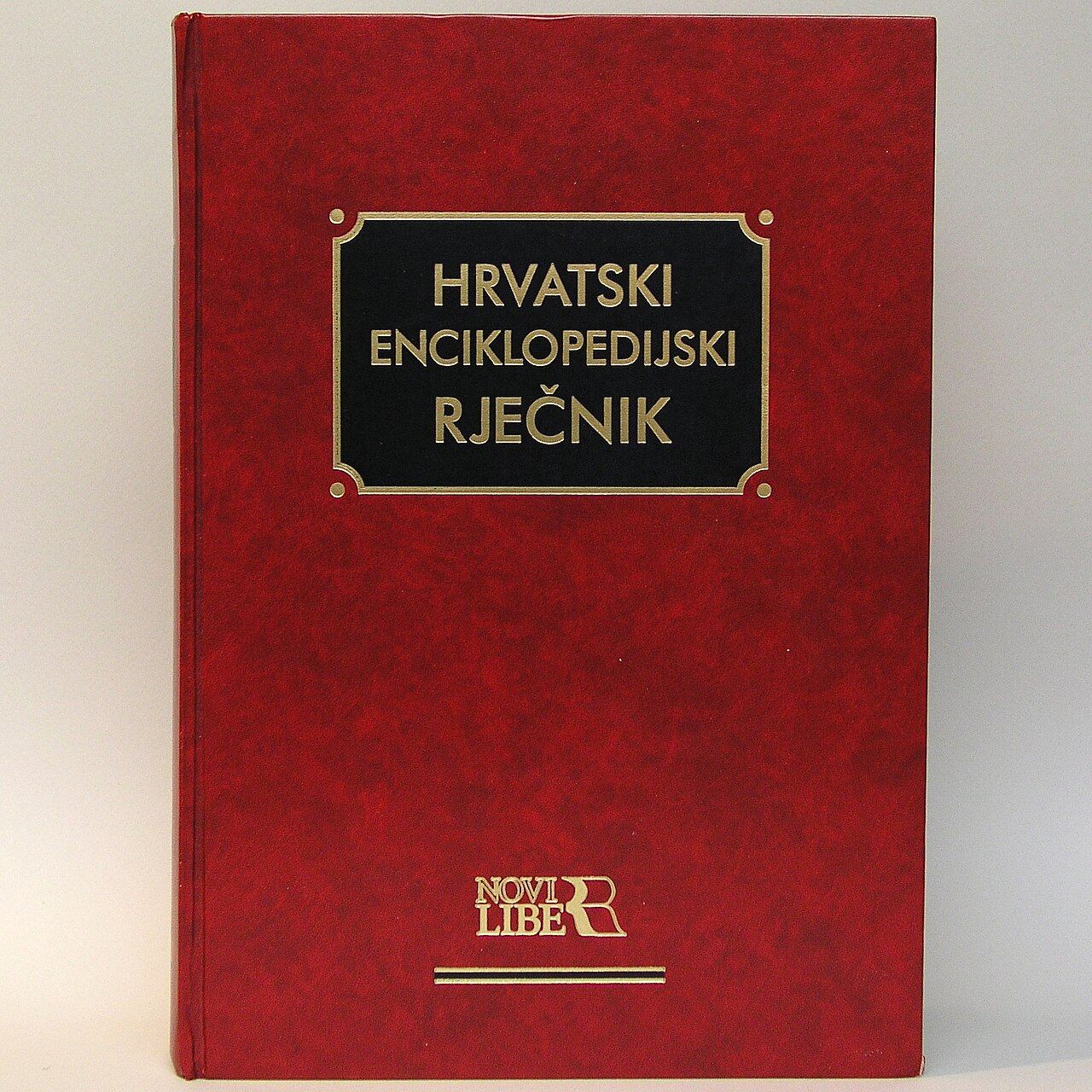
For Filipino workers in Croatia the most practical change in the amended Aliens Act (Zakon o strancima) is not the one that made headlines this week – the health check, the three-year seasonal permits – but a quieter one with a date attached: from 4 June 2027, renewing certain work permits will require proof that you passed a basic exam in Croatian and the Latin alphabet.[1][2][3] The Croatian Parliament passed the amendments on 15 May 2026, and they were published in the official gazette (Narodne novine 55/2026) on 27 May.[1][4]
Who has to take the exam? According to Article 92.a of the law, a third-country national who has lived in Croatia for at least a year on a residence and work permit issued under Article 97 – or on a permit that has been renewed – and those holding permits under Article 110, point 32, must pass the test.[1] In practice this is the standard permit that an employer obtains after the Croatian Employment Service (HZZ) procedure; the law firm Crowe describes it as a permit based on a positive HZZ opinion.[3] Proof of the pass has to be attached to the application to renew the permit or to apply for a new Article 97 permit.[1] Not having it is written into the law as a new ground for refusal.[1]

Who is exempt? The law excludes people who completed primary, secondary or higher education in Croatia, people who speak a South Slavic language, and seasonal workers.[1] Filipinos do not fall under the language exemption, so if your permit is of the type above, plan to take the exam. Check what kind of permit is printed on your residence card, or ask your employer which article it was issued under.
What is the exam? It is a standardised test of the most basic level, A1.1, in the Croatian language and the Latin script.[1][2] Poslovni dnevnik, citing Novi list, described it as roughly thirty basic phrases.[5] It can be run by foreign-language schools approved by the Ministry of Labour for its voucher programme for teaching Croatian to foreigners, by universities that teach Croatian, and by adult-education institutions approved by the Ministry of Education.[1] If you complete an A1.1 course at one of these institutions, the certificate counts as proof of passing.[1]
Who pays? The law is explicit: the employer bears the cost of the exam, and the proof becomes part of the worker records the employer must keep.[1] It says nothing about who pays for preparatory classes, so ask early. How the exam is held, and its price, will be set by a ministerial regulation (pravilnik) that, as far as we could see, has not yet been published.[1] The Interior Ministry presents the rule as a way to help workers cope with daily life; Minister Davor Božinović said it is not a formality.[2]
The wider package matters too. The same amendments make it easier to change employer, set a 90-day deadline for issuing permits and extend seasonal permits to up to three years.[2] HRT reported on Friday that for employers the changes also bring stricter conditions and new obligations, including the health examination of foreign workers – an area where employers in Dubrovnik-Neretva County told the broadcaster many questions remain open.[6]
Critics argue that thirty phrases do not amount to integration. A migration expert quoted by Poslovni dnevnik said that integration starts when a worker knows their rights and can exercise them, and that official information should be available in a language workers understand.[5] For a Filipino reader the exam is at least approachable: you already read the Latin alphabet, and Croatian spelling is largely phonetic. The new letters to practise are č, ć, š, ž and đ, plus the combinations dž, lj and nj.
What to do now: look at the expiry date on your residence card. If your renewal will be filed after 4 June 2027, start learning rather than waiting for the last months, ask your employer which approved school they will use and whether the class fits your shifts, and keep the original certificate while giving the employer a copy. Because this is a legal requirement and some details are still to be set in the regulation, confirm your own situation with your employer or your local police administration before you rely on any date.
Read next
 Permits & Residence18,712 permits in nine months: Filipinos are now Croatia’s third-largest group of foreign workers
 Work & PayMinimum wage 2027: employers and unions are €163 apart after the 14 October talks – and a tax change could matter as much
Sources
- Narodne novine 55/2026 – Zakon o izmjenama i dopunama Zakona o strancima (Article 19, new Article 92.a; 27 May 2026) · Official source
- MUP – Ministar Božinović: Unapređujemo sustav zapošljavanja stranih radnika · Official source
- Crowe Croatia – Key Changes Introduced by the Amendments to the Foreigners Act · Specialist publication
- HRT – Sabor izglasao izmjene Zakona o strancima (15 May 2026) · Newspaper
- Poslovni dnevnik – Od 2027. novi uvjet za strane radnike. Stručnjak upozorava: "To nije integracija" · Newspaper
- HRT – Izmjene Zakona o strancima donose strože uvjete i nove obveze poslodavcima (16 Oct 2026) · Newspaper
This explainer is based on the linked sources; we do not claim independent on-the-ground reporting.
Found an error? Send a correction.