
Minimum wage 2027: employers and unions are €163 apart after the 14 October talks – and a tax change could matter as much
The consultations are over and everyone agrees the minimum wage will rise from today's €1,050 gross. Employers offer €1,086.75 plus a higher tax allowance; unions want €1,250. The government decides by 31 October. What is settled, what is only a proposal, and what to check on your payslip.
Published 2026-10-19 · Source checked 2026-10-19
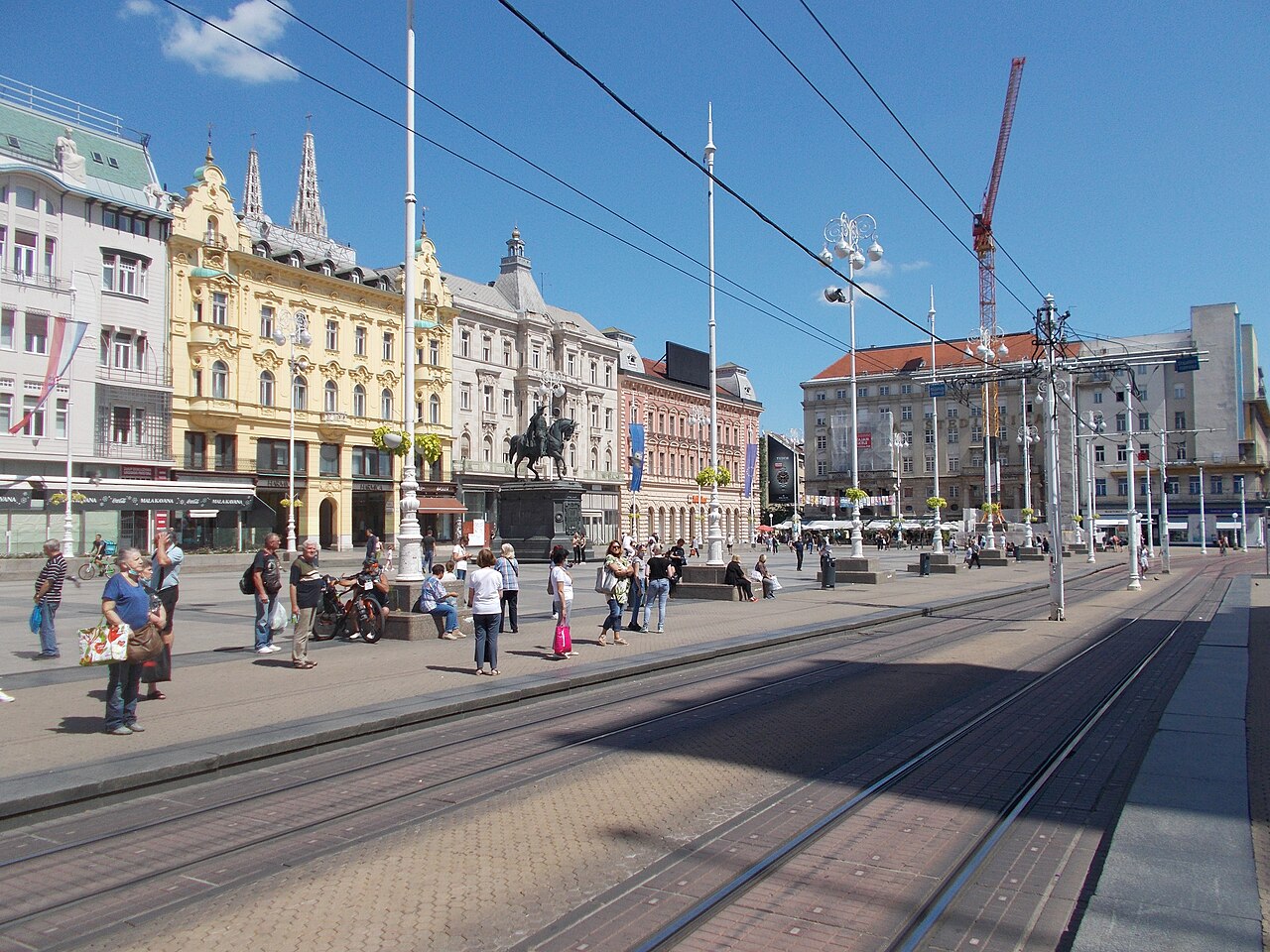
Our earlier article on the 2027 minimum wage promised to report the government's decision. That decision is still to come, but the consultations that feed into it took place on Wednesday 14 October at the Ministry of Labour, and the Ministry's own summary is short. Labour Minister Alen Ružić met the social partners, and – in the Ministry's words – all of them agree that the minimum wage must rise. Employers argued for a more moderate increase, unions for a significant one.[1] No figure was announced.
The numbers on the table have not changed, and the gap between them is concrete. The Croatian Employers' Association (HUP) says the gross minimum should not grow by more than 3.5 percent, from €1,050 to €1,086.75. The main union confederation SSSH asks for €1,250 gross – about 19 percent, or €200, more. Novi list put the distance between the two at €163.[2][3] SSSH president Mladen Novosel also says the unions want the minimum to reach €1,500 gross within two years.[2]
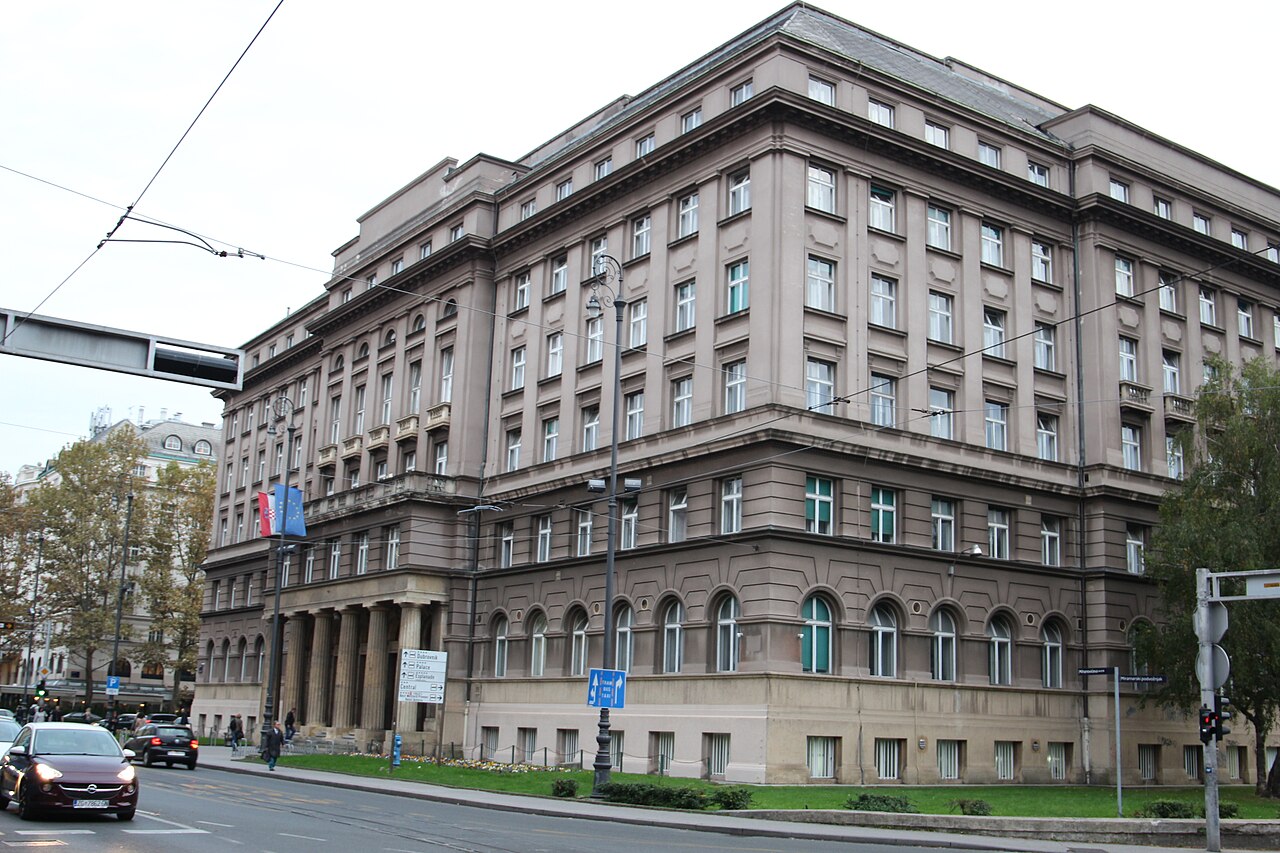
The part that deserves a second look is the tax side. HUP wants the state to share the burden by raising the basic personal allowance – the amount of income that is not taxed each month – from €600 to about €840, so that a worker on the minimum wage pays no income tax at all.[2][3] By HUP's own calculation, a single worker on €1,050 gross has a taxable base of roughly €840 after pension contributions and currently pays almost €60 a month in income tax.[2][3] The unions say they have long argued for a higher allowance, but not instead of a real rise in the wage itself.[2]
An economist's analysis points the same way. N1, citing Jutarnji list, quotes economist Ivica Urban of the Institute of Public Finance: the allowance grew only 19 percent between 2017 and 2025, while average pay grew 96 percent; in his calculation, an allowance of €810 would lower the average tax rate from 9 to 7.3 percent. N1 adds that an allowance increase is being considered as part of the 2027 budget preparations – it is not a decision.[3]
What does the government itself say? Before the meeting, Minister Ružić repeated that the government's programme aims for a minimum wage of €1,250 by 2028 and said he would give the prime minister a clearer picture after the consultations.[4] Novosel notes that the government's own target is also €1,250, so the unions see their position as not far from it. The final decision is a government decree that, by law, must be adopted by 31 October 2026.[1]
A remark in the Novi list report is worth knowing, even though it is one side's claim. Novosel argued that the current minimum wage is no longer competitive for hiring anyone in Croatia except workers from third countries – he named Nepal and India among them.[2] Whatever one thinks of that, it shows why this decree is watched so closely by employers who hire foreign workers, and why the debate is not only about the number but about wages and the tax system together.
What this means for you in practice. Nothing changes until the decree is published, so do not plan your 2027 budget on €1,086.75 or €1,250. If you are paid at or near the minimum, look at your contract and payslip for the gross amount; overtime, night, Sunday and holiday supplements are paid on top of the minimum, not inside it. If the personal allowance does go up, your net pay could rise even if the gross minimum rises less – but that depends on a separate tax decision that has not been made. Ask your employer or accountant in January which figures apply to you.
We will report the decree as soon as it is adopted. This article is general information based on the sources below; for your own contract, check your payslip with your employer, a trade union or the State Inspectorate.
Read next
 Work & PayMinimum wage for 2027: employers offer €1,086.75, unions want €1,250 – and the government decides by 31 October
 Permits & Residence · GUIDEFrom June 2027, renewing a work permit in Croatia will need a basic Croatian exam – who must take it, who is exempt, and who pays
Sources
- HRT – Ministarstvo: Održan sastanak sa socijalnim partnerima na temu minimalne plaće (14 Oct 2026, citing the Ministry of Labour release) · Newspaper
- Novi list – Koliki bi trebao biti minimalac u 2027.? Poslodavci i sindikati udaljeni su 163 eura · Newspaper
- N1 – Koliko će rasti minimalac? Poslodavci nude 1087 eura, sindikati traže 1250 · Newspaper
- Poslovni dnevnik – Ružić: Pregovori o plaćama kreću u ponedjeljak, cilj je minimalac od 1.250 eura · Newspaper
- Ministarstvo rada, mirovinskoga sustava, obitelji i socijalne politike – news list (meeting with all social partners on the minimum wage, 14 Oct 2026) · Official source
This explainer is based on the linked sources; we do not claim independent on-the-ground reporting.
Found an error? Send a correction.