
A state-of-the-nation speech and a bid to remove the prime minister: what happened in the Sabor, explained
On 13 October Prime Minister Andrej Plenković presented his government’s annual report, then faced a debate that ran past 1:30 a.m. on an opposition motion of no confidence over illegally dumped waste in Gospić. The vote has not been held yet. What was said, how the numbers work, and what it means for foreign workers.
Published 2026-10-14 · Source checked 2026-10-14
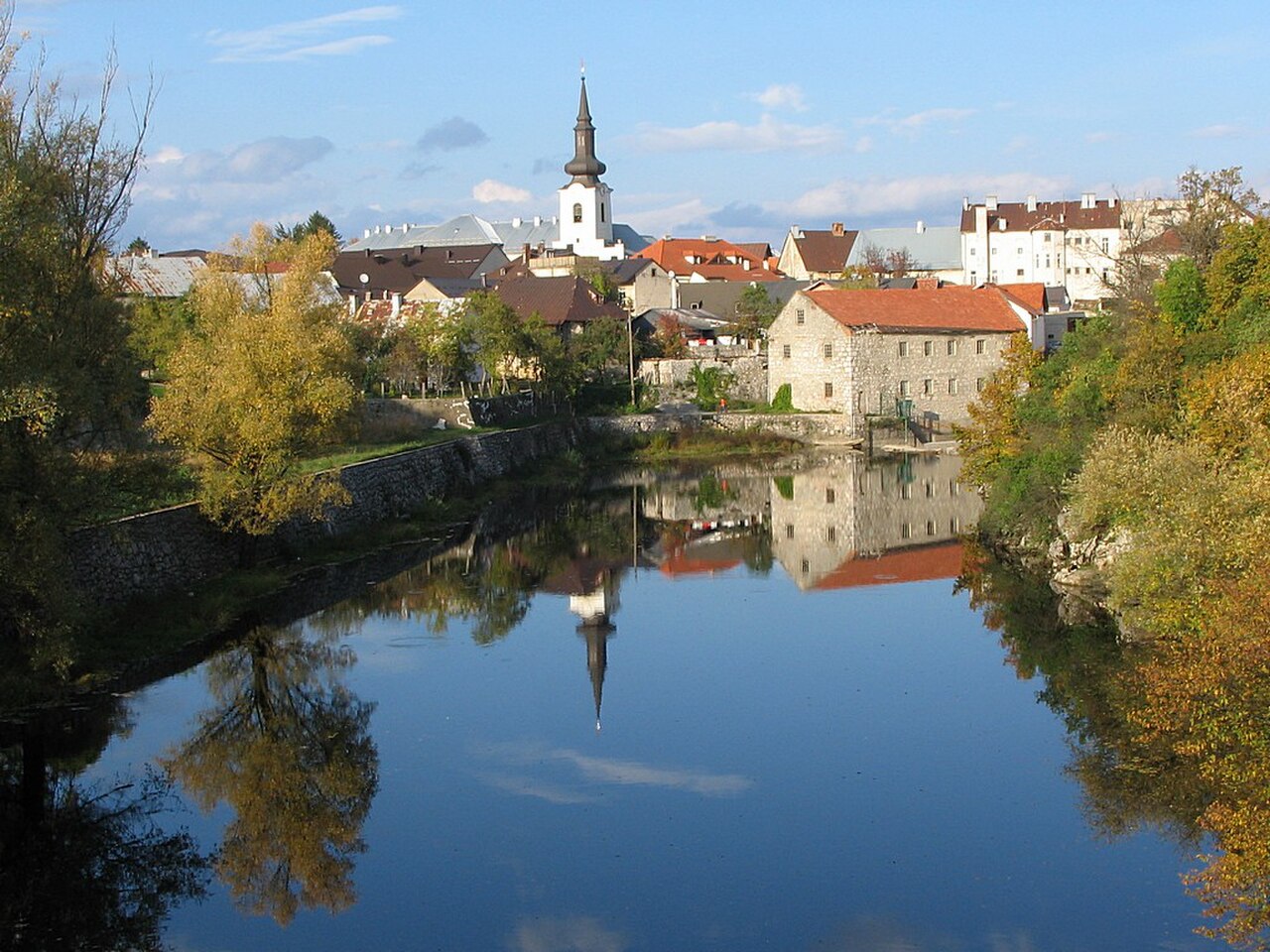
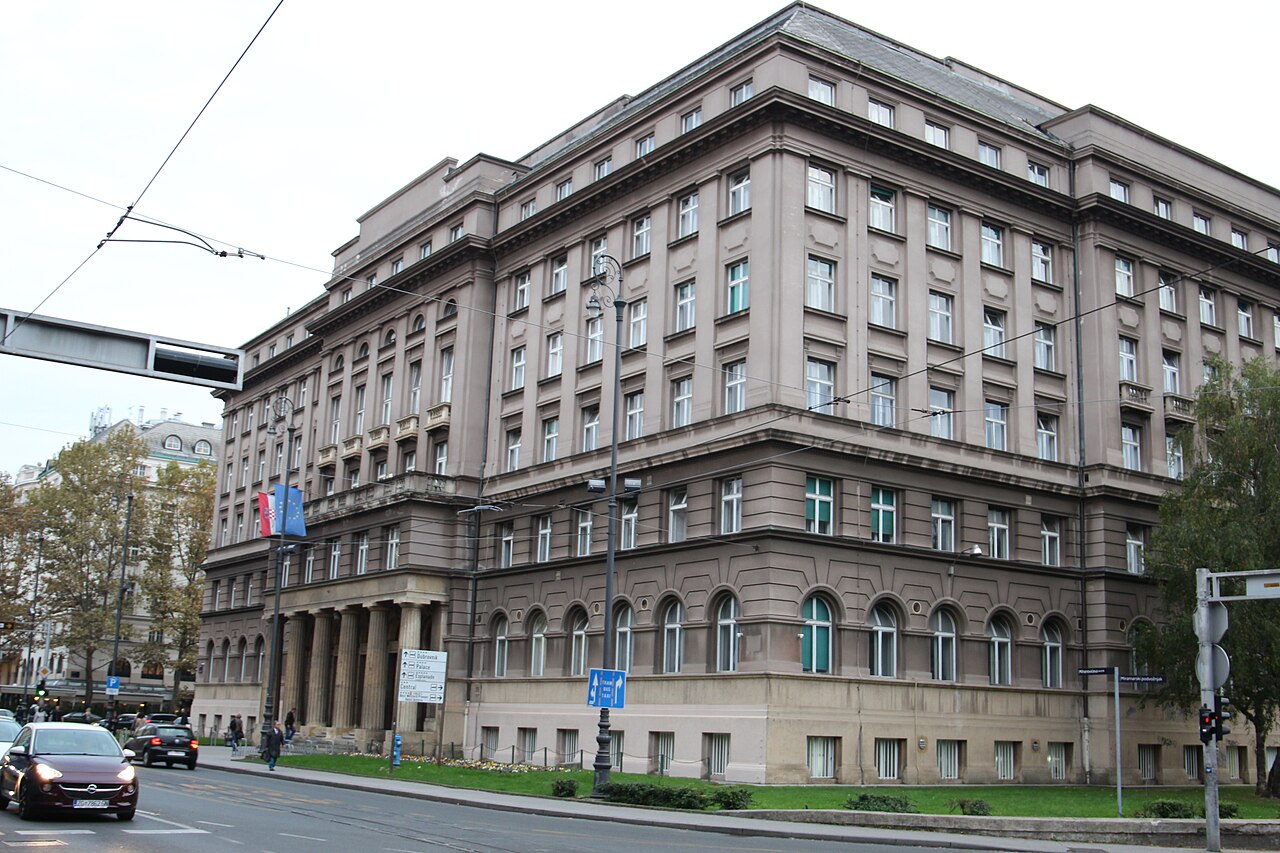
Tuesday in Croatia’s parliament, the Sabor, was really two events. In the morning Prime Minister Andrej Plenković presented the government’s annual report for the third year of his third term. In the afternoon the chamber turned to a motion, signed by 54 opposition MPs and led by the Social Democrats (SDP), asking parliament to withdraw its confidence in him.[1][2]
The trigger is an affair in Gospić, a town in the Lika region, where the motion cites about 37,000 tonnes of illegally dumped waste. The opposition argues the case shows that the institutions meant to control waste failed, and that political responsibility lies with the head of government; it also pressed him on the dismissal of the chief state inspector, Andrija Mikulić.[2][3] The government formally rejected the motion in a written response to parliament at the start of October, calling it a failed “PR” exercise without factual or legal basis.[4]

The atmosphere was tense from the start. As Plenković began, part of the left opposition walked out and three MPs from the Most party turned their backs to him. He accused the opposition of using the waste affair to deepen divisions and told them they would lose the next election. On Gospić he promised the site would be cleaned up, as earlier dumps in Biljane Donje and Varaždin were.[1]
The report itself was a list of numbers – the government’s own. Plenković said the economy should grow by about 2.3% this year, taking GDP above €100 billion for the first time; that the average net wage was €1,540 in July and the minimum gross wage is €1,050; that unemployment was 3.4% in August; and that about 140,000 foreign workers are employed in Croatia. He acknowledged that inflation, at 4.7% in September, remains a problem, with energy 20% dearer than a year earlier.[5] Other outlets quoted the growth forecast as about 2.4%, so treat the exact decimal with caution.[6]
Among the announcements: an annual supplement for pensioners of €7 per year of service, no income tax on pensions from 1 January 2027, and a larger one-off grant for newborns, rising to €800 next year.[5] These are plans; most still need budget changes or laws to pass.
How does the no-confidence vote work? The Sabor has 151 seats, and removing the prime minister needs a majority of all MPs – at least 76 votes.[9] Speaker Gordan Jandroković said beforehand that the opposition’s “maths” was weak and that he expected the 79 votes that back the government to hold.[9][7] The debate went on until 1:48 a.m.; Deputy Speaker Željko Reiner said the vote would take place “when the conditions are met”, so no date had been set at the time of writing.[3]
Gospić has been on parliament’s agenda before. On 21 August the Sabor adopted, by 81 votes to 58, the ruling majority’s conclusions asking the government to report within 90 days on the clean-up – including measures, deadlines, costs and environmental monitoring results.[8]
What does this mean for Filipinos in Croatia? Directly, very little for now. Residence and work permits are issued by the Interior Ministry under existing laws, and a change of government would not by itself change a permit you already hold. But the debate shows what Croatian voters are angry about – trust in institutions, the cost of living and the environment – and those issues shape the laws on wages, housing and foreign workers that the next parliaments will write. We will report the result of the vote.
Read next
 Work & PayYour Croatian pension contributions: why a Croatia–Philippines agreement matters, and what to do until it exists
 Life in CroatiaSending money home from Croatia: how to see what a transfer really costs
Sources
- Index.hr – Plenković napao oporbu zbog izlaska iz Sabora: Izgubit ćete iduće izbore (13 Oct 2026) · Newspaper
- tportal – Plenković se u Saboru suočava sa zahtjevom za opoziv zbog otpada u Lici (13 Oct 2026) · Newspaper
- HRT – U Saboru o opozivu premijera: Žestoka polemika i teške riječi (14 Oct 2026) · Newspaper
- Novi list (Hina) – Vlada odbacila zahtjev oporbe za opoziv premijera (2 Oct 2026) · Newspaper
- Večernji list – Plenković se pohvalio rezultatima Vlade, ali priznao i koji problemi ostaju (13 Oct 2026) · Newspaper
- tportal – Plenković najavio povijesnu prekretnicu: BDP prvi put premašit će 100 milijardi eura (13 Oct 2026) · Newspaper
- Večernji list – Oporba traži opoziv Plenkovića zbog otpada u Lici, Jandroković očekuje odbijanje prijedloga (12 Oct 2026) · Newspaper
- Hrvatski sabor – Sabor rejects president’s proposals, adopts ruling coalition’s ones (21 Aug 2026) · Official source
- freedom.hr – SDP traži Plenkovićev opoziv zbog otpada u Lici (13 Oct 2026) · Secondary source
This explainer is based on the linked sources; we do not claim independent on-the-ground reporting.
Found an error? Send a correction.